What is Backloading, Empty Miles, & Return Loads?
Table of Contents
What Is Backload in Logistics?
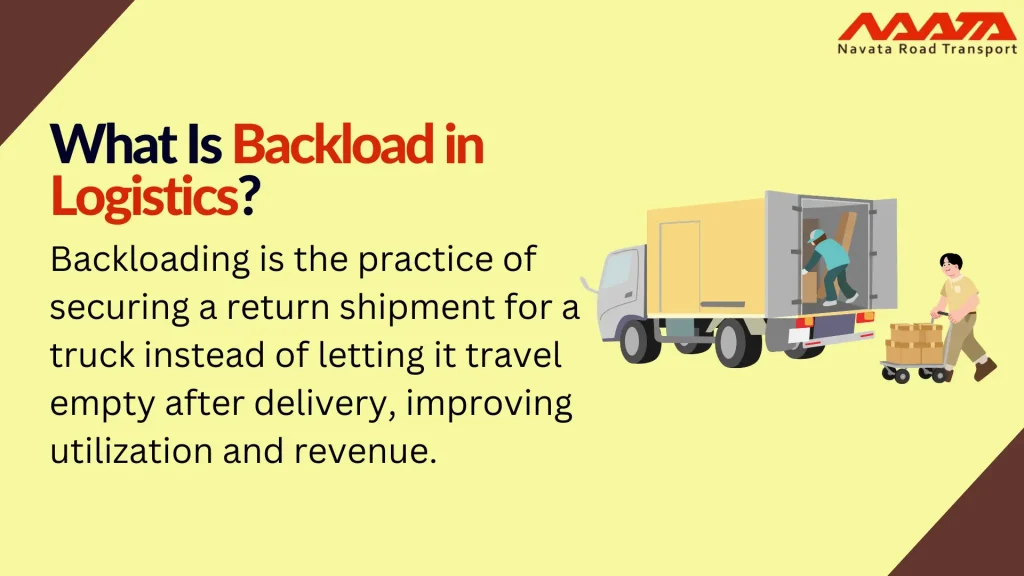
Backloading is the practice of securing a shipment for a truck’s return leg instead of letting it run back empty. It’s an action, not a cargo type: a transport operator or broker identifies freight moving along or near the truck’s return route, matches it to the available vehicle, and books it before the outbound delivery is even finished. The logic follows a simple sequence:
- Loaded trip → Delivery → Find return shipment → Return with cargo.
Picture a truck moving furniture from City A to City B. Instead of returning to City A empty, the operator arranges to carry a different shipment of packaged goods, machinery, raw materials, whatever is moving in that direction back along the same route. That’s backloading in practice: converting a planned empty leg into a paid one.
You Might Also Like To Read: Last Mile Delivery: The Complete Guide
What is Empty Miles?
Empty miles, also called deadhead miles or non-revenue miles, are the kilometres a truck travels with no cargo on board. They typically build up between a delivery point and either the next pickup location or the truck’s point of origin. A loaded mile earns freight revenue; an empty mile earns nothing, but still consumes fuel, driver hours and vehicle life. A simple example: a truck delivers a full load from one city to another, finds no return shipment, and drives back with an empty trailer.
That return leg is 100% empty miles. Fleet managers track this figure closely because it’s a direct proxy for how well a truck’s total running time is being converted into paid work a truck with a high share of empty miles is, by definition, an underused asset.
What Is Return Load?
A return load is the cargo itself the shipment actually carried on the journey back, once backloading has succeeded. If backloading is the process, the return load is the outcome. It’s rarely the same type of cargo as the outbound shipment, and it’s usually booked with a different customer altogether; the only thing connecting the two loads is that they happen to move along compatible legs of the same route.
A truck that delivers electronics from City A to City B might pick up a return load of packaging materials, textiles or industrial components heading back toward City A a completely unrelated shipment that happens to fit the return route, vehicle type and timing.
Also Read: Importance of Backload
Cost Of Empty Miles
Cost of Empty Miles can quickly increase due to fuel, driver wages, tolls, maintenance, vehicle depreciation, and lost revenue when trucks travel without cargo on return journeys.
1. Fuel Consumption
A truck doesn’t stop burning fuel just because the trailer is empty. Weight is lower, so consumption per mile drops somewhat, but the vehicle still needs to cover the same distance fuel spent on an empty return leg produces zero freight revenue to offset it.
2. Driver and Operational Costs
Driver time, wages, tolls, and permits accrue on empty miles exactly as they do on loaded ones. The driver is working the same hours; the trip is simply not generating income to cover that cost.
3. Vehicle Wear and Maintenance
Every additional kilometre adds to tyre wear, engine hours and general vehicle depreciation. Unnecessary empty running brings forward maintenance and replacement cycles without any corresponding revenue to justify the extra wear.
4. Lost Earning Potential
The clearest cost of an empty mile is opportunity cost: the capacity the truck, the driver, the time slot could have carried a paying shipment instead. Every empty leg is a missed chance to generate freight revenue from an asset that’s already committed to being on the road.
5. Lower Truck Utilization
Utilization measures how much of a truck’s total running time and distance is spent doing paid work. A high share of empty miles pulls utilization down directly, which weakens overall fleet productivity even if the loaded legs themselves are priced well.
6. Increased Emissions
An empty truck still needs to cover the same distance, so it still burns fuel and produces emissions for that leg without moving any goods to show for it. Reducing empty miles is therefore one of the more direct levers a fleet has for cutting its per-shipment carbon footprint, alongside route efficiency and vehicle choice.
Process Of Backloading
The process of backloading follows a repeatable sequence of identifying return freight, matching it with an available truck, booking the shipment, and completing the return journey with cargo.
Step 1: Complete the Outbound Delivery
The process starts once the original shipment reaches its destination. At this point the truck, driver and remaining transit time before the next scheduled job are all known quantities the information needed to start looking for a return shipment.
Step 2: Identify Available Return Freight
Operators look for cargo that needs to move along or near the truck’s return route, whether that’s back toward the point of origin or on to another destination that still makes commercial sense for the driver’s schedule.
Step 3: Match the Truck With the Shipment
A candidate return load has to fit on several dimensions at once: the route has to align, the vehicle type and capacity have to suit the cargo, and the pickup and delivery windows have to be realistic given the truck’s remaining schedule. A mismatch on any one of these can make a return load impractical even if the freight itself is available.
Step 4: Load and Transport the Return Shipment
Once a match is confirmed, the return shipment is collected and carried back along the route. The overall pattern is straightforward: origin → destination → return load → origin with the middle two steps being where backloading actually happens.
Benefits of Backloading and Return Loads
Backloading helps transport companies make better use of trucks after completing their primary delivery. Instead of sending a vehicle back without cargo, a return shipment can turn unused capacity into a productive, revenue-generating journey. This can improve fleet utilization, control operating costs, and reduce unnecessary fuel consumption.
1. Reduced Empty Miles
Backloading reduces the distance a truck travels without cargo. When a suitable return shipment is available, a journey that would otherwise generate no freight revenue becomes a loaded trip. Fewer empty miles mean better use of the truck’s available capacity and operating time.
2. Lower Transportation Costs
An empty return trip still involves fuel, driver wages, tolls, maintenance, and vehicle operating costs. Carrying a return load helps offset these expenses by generating revenue from the same journey. This can reduce the effective transportation cost per shipment.
3. Better Truck Utilization
A truck generates greater value when it is carrying cargo rather than sitting idle or travelling empty. Backloading increases the percentage of a vehicle’s operating time spent transporting freight, helping businesses get more productive use from their existing fleet.
4. Improved Fleet Efficiency
Fewer empty return journeys make fleet planning more predictable. Dispatchers can coordinate outbound and return shipments, plan vehicle schedules more effectively, and reduce unused capacity across the network. This can lead to smoother day-to-day transport operations.
5. Additional Revenue Opportunities
A return load can create an additional earning opportunity from a journey the truck was already expected to make. Instead of completing the delivery and returning empty, the carrier can transport another shipment on the return route and generate additional freight revenue.
6. Reduced Fuel Wastage
Trucks consume fuel whether they are loaded or empty. By carrying a return shipment, the fuel used for the return journey supports a productive freight movement instead of being spent entirely on an empty trip. This improves fuel efficiency when measured against the amount of freight transported.
7. Lower Emissions
Reducing unnecessary empty travel can also reduce fuel consumption and associated vehicle emissions. When more return journeys carry freight, fewer vehicle kilometres are used solely to reposition an empty truck, supporting more efficient and sustainable road freight operations.
Empty Miles Reduction Techniques
Empty Miles Reduction Techniques are strategies used by logistics companies to minimize truck journeys without cargo, improving vehicle utilization, reducing fuel costs, increasing efficiency, and lowering transportation-related emissions.
1. Plan Return Trips in Advance
Identifying likely return freight before a truck is even dispatched rather than scrambling once it arrives gives dispatchers far more options and a better shot at a good route match.
2. Use Load Matching
Systematically matching available trucks against suitable return shipments, instead of relying on ad hoc calls and personal networks, widens the pool of potential return loads and speeds up the matching process.
3. Improve Route and Fleet Visibility
Knowing exactly where every vehicle is, what route it’s on, and when it’s due to finish its current delivery makes it much easier to spot backloading opportunities before they’re missed.
4. Coordinate With Shippers and Transport Partners
Stronger, more regular coordination with shippers and other transport partners widens access to return freight, particularly on lanes a fleet runs often enough to build repeat backloading relationships.
5. Use Real-Time Tracking and Logistics Technology
Real-time vehicle visibility, accurate ETAs and route data make it possible to identify backloading opportunities while a truck is still en route to its delivery, rather than after it has already arrived empty-handed for its return leg. Combined with load matching and fleet utilization monitoring, this turns backloading from a reactive scramble into a planned part of the route.
Regional Spotlight: Backloading in India
Consider a common Delhi-Mumbai route. A truck carries consumer goods from Delhi to Mumbai and completes the delivery. Rather than heading back to Delhi empty, the operator arranges a different shipment in Mumbai, for example, textiles or industrial goods that need to move toward Delhi.
The truck returns loaded instead of empty: the return leg now earns freight revenue, the vehicle’s utilization for the round trip improves, and the operator avoids absorbing the full cost of an empty run in both directions. The mechanics are the same as anywhere else in the world what changes regionally is simply which lanes and freight types make backloading practical.
Backloading vs Empty Miles vs Return Loads
| Term | Meaning | Example |
|---|---|---|
| Empty miles | Truck travels without any cargo on board | Mumbai → Delhi with no shipment |
| Backloading | The process of finding cargo for the return journey | Mumbai → Delhi carrying another shipment |
| Return load | The cargo actually carried back after delivery | Machinery picked up in Mumbai for the return leg |
Empty miles are the problem; backloading and return loads are how fleets improve return-trip utilization. Backloading is the action a dispatcher takes; the return load is what that action produces; an empty mile is what happens when neither takes place.
Conclusion
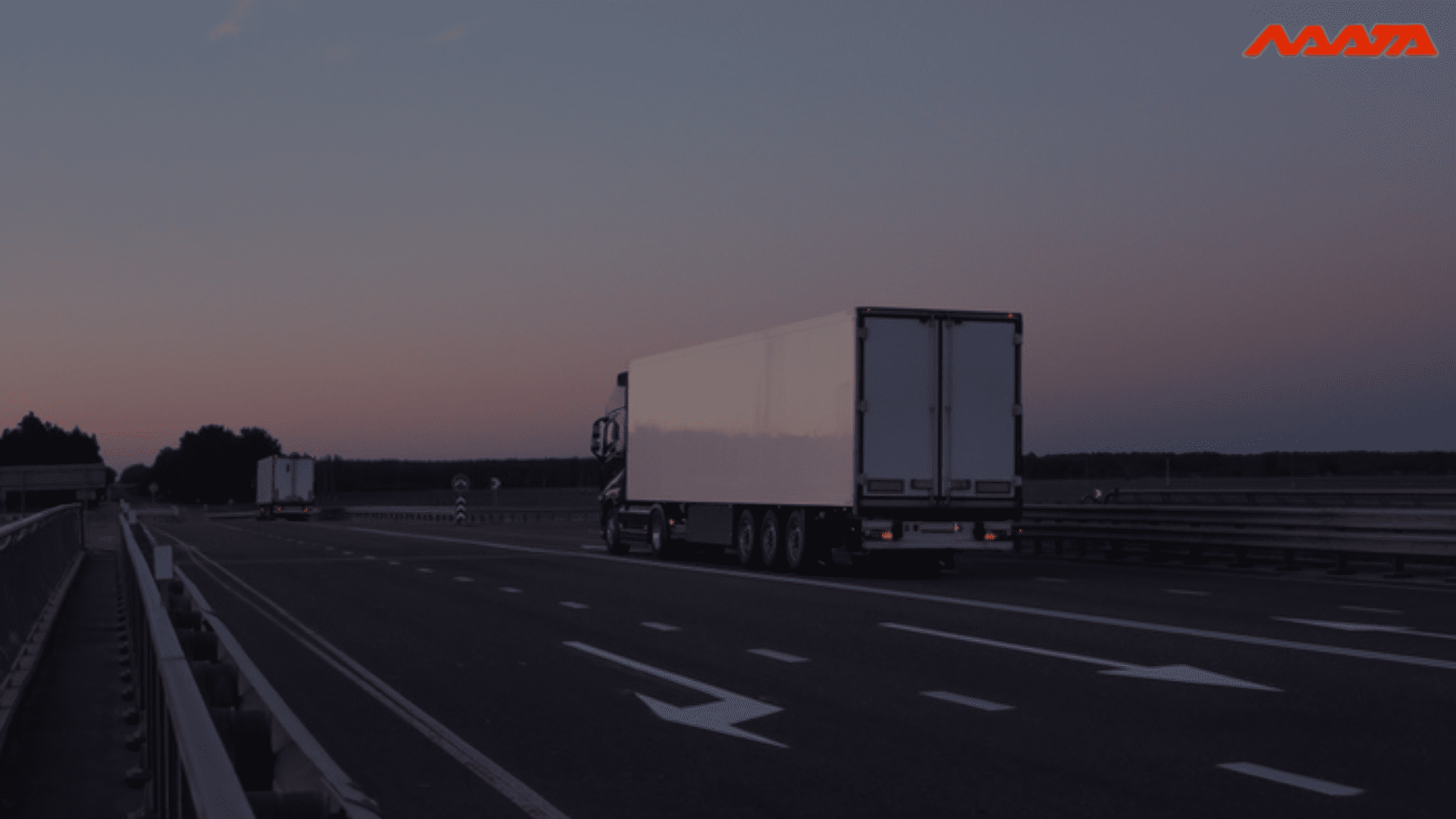
Empty miles represent truck capacity that’s paid for but never used. Backloading and return loads are the practical answer, turning a return leg that would otherwise cost money into one that earns it. For shippers and fleet managers, reducing empty running isn’t just a cost-saving exercise; it improves fleet utilization, keeps freight pricing more competitive, and cuts unnecessary fuel use and emissions along the way.
Getting there consistently depends on visibility: knowing where every vehicle is, what’s moving nearby, and how far in advance a return shipment can realistically be arranged, which is where planning tools and route coordination start to matter as much as the freight itself.
FAQs
What are empty miles in trucking?
What is backloading in logistics?
What is a return load?
How can empty miles be reduced?
What are the benefits of backloading?
Thanks For Reading: Understanding Backload, Return Load & Empty Miles Problems
Recent Posts